-
What will hardness of TPU may change if reducing the melt index of TPU (Thermoplastic Polyurethane)
Dec 06 , 2024
Reducing the melt index of TPU (Thermoplastic Polyurethane) can indeed affect the hardness of the material, but it's not a direct correlation. The melt index refers to the flowability of the molten TPU during the injection molding process. Generally, a lower melt index indicates a higher molecular weight of the TPU, which can result in increased hardness. This is because higher molecular weight TP...
-
What is TPP-free TPU material
Dec 13 , 2024
TPP (Triphenyl Phosphate) is a commonly used phosphoric ester additive known for its flame retardant and antioxidant properties. However, in some conditions, TPP may release phosphoric ester smoke and toxic gases, posing potential hazards to the environment and human health. In the applications that involving frequent contact with the human body, such as medical devices and baby products, the use ...
-
How to Select TPU for PVC Modification
Aug 31 , 2026
Successful PVC-TPU polymer-blend modification relies not only on material intrinsic compatibility (intermolecular hydrogen‑bonding between TPU urethane groups and PVC polar C‑Cl groups), but also on proper TPU grade selection and strict processing‑temperature control. PVC is a thermally‑sensitive polymer; its narrow safe‑processing window creates unique practical challenges for compounders. The gu...
-
How to Choose the Right Shank Material for a Shoe's Arch Support
Oct 19 , 2026
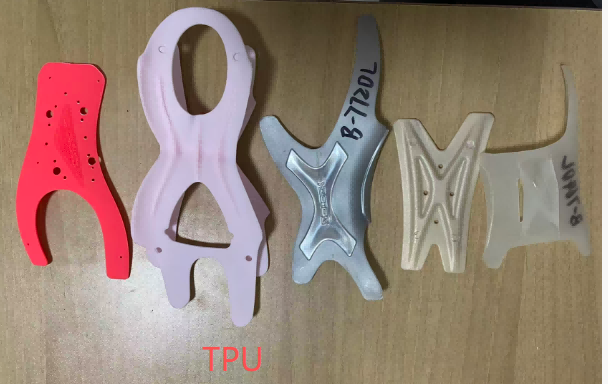
The shank is the stiff insert between the insole and outsole, running from the heel toward the ball of the foot. Its job is to support the arch and, in many designs, control torsion in the midfoot. Get the material or the geometry wrong, and a shoe feels floppy by lunchtime or fights the foot's natural motion. There is no single best material. The right choice depends on load, available thickness,...



 IPv6 network supported